Beyond the Scale: The Muscle-to-Fat Ratio That Predicts Better Health on TRT
Created by Etalaze Shop Support, Modified on Thu, 2 Jul at 8:01 PM by Etalaze Shop Support
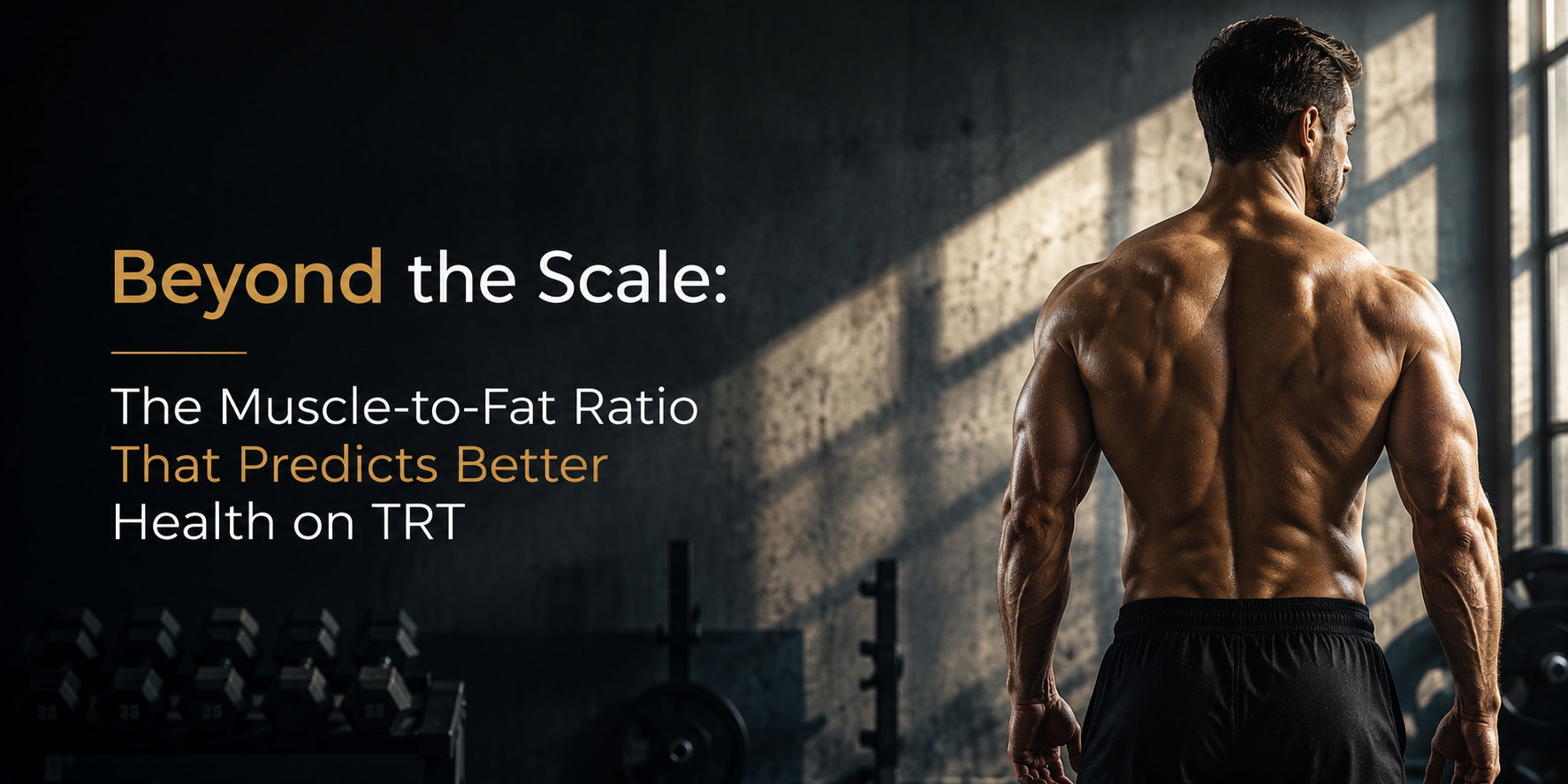 When most people begin testosterone replacement therapy (TRT), they naturally focus on one number—the one displayed on the bathroom scale. While body weight may provide a quick snapshot of progress, it rarely tells the full story. What truly matters isn't simply how much you weigh, but what your body is made of.
For men on TRT, one of the most meaningful indicators of long-term health is the balance between muscle and body fat.
Often referred to as body composition, this ratio provides valuable insight into metabolic health, physical performance, and even how well you'll age. Building and maintaining lean muscle while reducing excess body fat can have a greater impact on your quality of life than any number on a scale.
Why Body Weight Doesn't Tell the Whole Story
Two men can weigh exactly the same yet have completely different levels of health.
Imagine two individuals who each weigh 190 pounds. One has developed a strong foundation of lean muscle with relatively low body fat, while the other carries significantly more fat and has gradually lost muscle over time. Although the scale treats them as equals, their bodies function very differently.
Their metabolism, cardiovascular health, hormone balance, physical strength, and future disease risk may be worlds apart.
This is why body composition has become a far more valuable measurement than body weight alone.
Lean body mass—including muscles, bones, organs, and body water—supports nearly every essential function in the body.
Excess body fat, particularly visceral fat stored deep around the abdominal organs, behaves very differently. Rather than simply storing energy, visceral fat actively contributes to chronic inflammation, insulin resistance, cardiovascular disease, and hormonal imbalances.
Muscle, on the other hand, acts as one of the body's most powerful metabolic tissues. It helps regulate blood sugar, improves insulin sensitivity, supports healthy hormone function, and provides the strength and stability needed for everyday movement.
How Body Composition Influences Healthy Aging
As men grow older, gradual changes in body composition become increasingly important.
Beginning around the mid-30s, most men naturally experience a slow decline in muscle mass—a process known as sarcopenia. At the same time, body fat tends to increase, especially around the abdomen.
Although these changes often occur gradually, they affect nearly every major system in the body.
Reduced muscle mass decreases the body's ability to regulate blood sugar efficiently, making insulin resistance more likely.
Growing amounts of visceral fat increase inflammation and place additional stress on the cardiovascular system. Joint health can decline as muscles become less capable of supporting movement, while excess abdominal fat raises the risk of conditions such as sleep apnea that negatively impact recovery and overall well-being.
Hormones are also closely connected to body composition.
Low testosterone often contributes to muscle loss and fat gain. Unfortunately, excess body fat can further worsen hormone balance by increasing the activity of aromatase—an enzyme that converts testosterone into estrogen. Over time, this cycle can make fatigue, reduced motivation, declining strength, and low libido even more noticeable.
Maintaining muscle isn't simply about appearance. It plays a major role in preserving mobility, independence, and physical resilience later in life. Everyday activities like climbing stairs, lifting groceries, recovering after illness, or preventing falls all rely heavily on maintaining adequate muscle mass.
Where TRT Fits Into the Equation
Testosterone replacement therapy can help create a healthier hormonal environment for improving body composition.
When testosterone levels are restored to an appropriate physiological range, many men notice improvements in muscle protein synthesis, exercise recovery, motivation, energy levels, and resistance training performance. Testosterone also influences how the body stores fat, particularly around the abdomen, making it easier for many patients to work toward a healthier body composition.
However, TRT should never be viewed as a shortcut.
Testosterone supports the body's ability to build muscle and reduce fat, but those improvements still depend on consistent exercise, proper nutrition, quality sleep, and effective stress management.
Without these foundational habits, the benefits of TRT may remain limited.
Every individual also responds differently to treatment. Age, genetics, existing medical conditions, baseline hormone levels, lifestyle habits, and the quality of medical supervision all influence the outcome. Understanding these differences helps set realistic expectations and encourages long-term success.
Measuring Progress Beyond the Scale
Tracking improvements in body composition is far more useful than focusing exclusively on body weight.
Several tools can help monitor meaningful progress over time.
DEXA Scans
DEXA scans remain one of the most accurate methods for evaluating body composition. They provide detailed measurements of lean muscle mass, body fat percentage, fat distribution, and bone density. While they require specialized equipment, many clinicians consider them the gold standard for long-term monitoring.
Bioelectrical Impedance Devices
Smart scales and handheld body composition analyzers offer a more convenient option. Although hydration levels can influence individual readings, measuring under consistent conditions allows users to identify overall trends rather than becoming fixated on daily fluctuations.
Waist Circumference
Sometimes the simplest measurements provide the greatest insight.
Tracking waist circumference offers a practical way to monitor changes in visceral fat. Even if body weight changes very little, a smaller waist often reflects meaningful improvements in metabolic health.
Progress Photos
Photographs taken under consistent lighting and positioning can reveal gradual improvements in muscle definition, posture, and overall physique that numbers alone often fail to capture.
Strength and Physical Performance
Increasing strength remains one of the clearest signs that lean muscle is being maintained or developed.
Whether you're lifting heavier weights, performing additional repetitions, or recovering more efficiently between workouts, these improvements reflect positive adaptations that extend well beyond aesthetics.
Even clothing fit can provide valuable feedback. Shirts becoming tighter around the shoulders while fitting looser around the waist often indicate favorable changes in body composition.
How to Improve Your Muscle-to-Fat Ratio
Building a healthier body composition doesn't require complicated strategies—it requires consistent habits.
Prioritize Resistance Training
Strength training remains the single most effective way to build and preserve lean muscle.
Compound exercises such as squats, deadlifts, presses, rows, and carries stimulate multiple muscle groups simultaneously and provide the strongest anabolic response. Gradually increasing training intensity through progressive overload allows muscles to continue adapting over time while adequate recovery supports continued growth.
Build Nutrition Around Protein
Nutrition provides the raw materials needed for muscle repair and growth.
Prioritizing high-quality protein sources—including lean meats, fish, eggs, dairy products, and legumes—helps maximize the muscle-building environment created by TRT.
Balanced calorie intake also matters. Extremely restrictive diets often compromise muscle development, making moderate and sustainable nutrition plans far more effective over the long term.
Protect Your Sleep
Recovery happens while you sleep.
Poor sleep quality increases cortisol levels, reduces recovery, encourages fat storage, and limits the body's ability to build muscle. Consistently obtaining sufficient, high-quality sleep is one of the most important lifestyle habits for anyone seeking better body composition.
Manage Stress
Chronic stress raises cortisol, a hormone that directly opposes many of testosterone's beneficial effects.
Finding sustainable ways to reduce stress—whether through exercise, mindfulness, hobbies, spending time outdoors, or maintaining strong social relationships—supports both hormone health and long-term recovery.
Stay Active Throughout the Day
Exercise doesn't end when you leave the gym.
Walking regularly, standing more often, and reducing prolonged sitting all contribute to healthier metabolism and improved
body composition. Daily movement complements structured workouts and supports long-term health.
The Importance of Medical Supervision
TRT is a medical treatment that requires ongoing monitoring by qualified healthcare professionals.
Before beginning therapy, patients should undergo a comprehensive evaluation to determine whether TRT is appropriate and to identify any potential health concerns. Routine laboratory testing and follow-up appointments help ensure treatment remains both safe and effective over time.
Clinics that combine hormone optimization with guidance on exercise, nutrition, recovery, and lifestyle habits often produce more meaningful outcomes than hormone therapy alone.
At Etalaze, we believe successful TRT extends beyond improving laboratory numbers. Our approach focuses on helping patients build healthier body composition, maintain lean muscle, reduce excess body fat, and support long-term vitality through personalized, medically supervised care.
The Number That Matters Most
Your body weight is only one measurement—and often one of the least informative.
Your muscle-to-fat ratio provides a far clearer picture of how well your body is functioning, how effectively your TRT program is supporting your goals, and how prepared your body is for healthy aging.
Rather than becoming consumed by the number on the scale, pay closer attention to the markers that truly reflect progress: increasing strength, a healthier waistline, improved energy, better recovery, quality sleep, and how your clothes fit over time.
Those changes tell the real story of successful hormone optimization—and they're the ones that matter most.
Was this article helpful?
That’s Great!
Thank you for your feedback
Sorry! We couldn't be helpful
Thank you for your feedback
Feedback sent
We appreciate your effort and will try to fix the article